



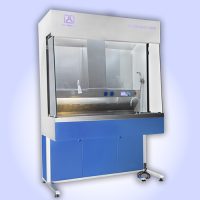






A vital part of any scientific research facility. This bench not only supports various equipment and experiments but also ensures the safety and efficiency of the laboratory environment. In this article, we will explore the different types of laboratory furniture, their uses, benefits, and key points in choosing the right bench and table for your laboratory.
Types of Laboratory Benchtops
1. Workstations or Work Surfaces
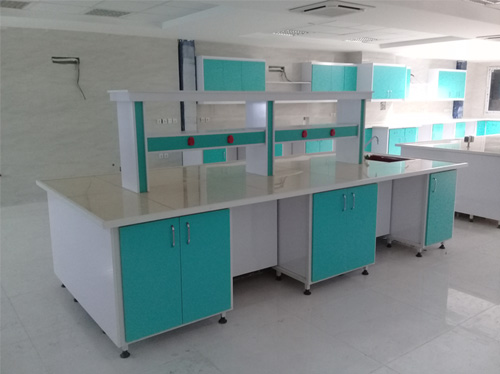
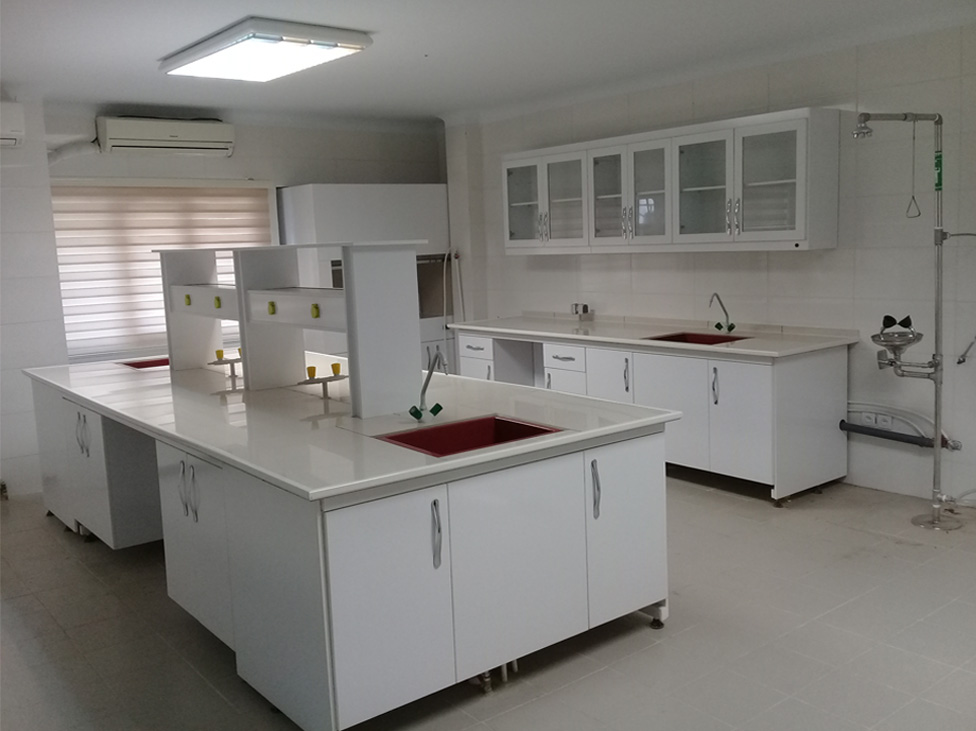
Purpose: Workstations are the primary work surface in a laboratory where most experiments and tasks are performed.
Design and Function: These benches are usually made of durable materials such as stainless steel or chemical-resistant laminates. They are often equipped with integrated features such as sinks, cabinet compartments, and chemical hoods to meet various laboratory needs.
Applications: Benchtops and hoods are used in chemistry, biology, and any other research facility where precise and controlled experiments are performed.
2. Storage Cabinets
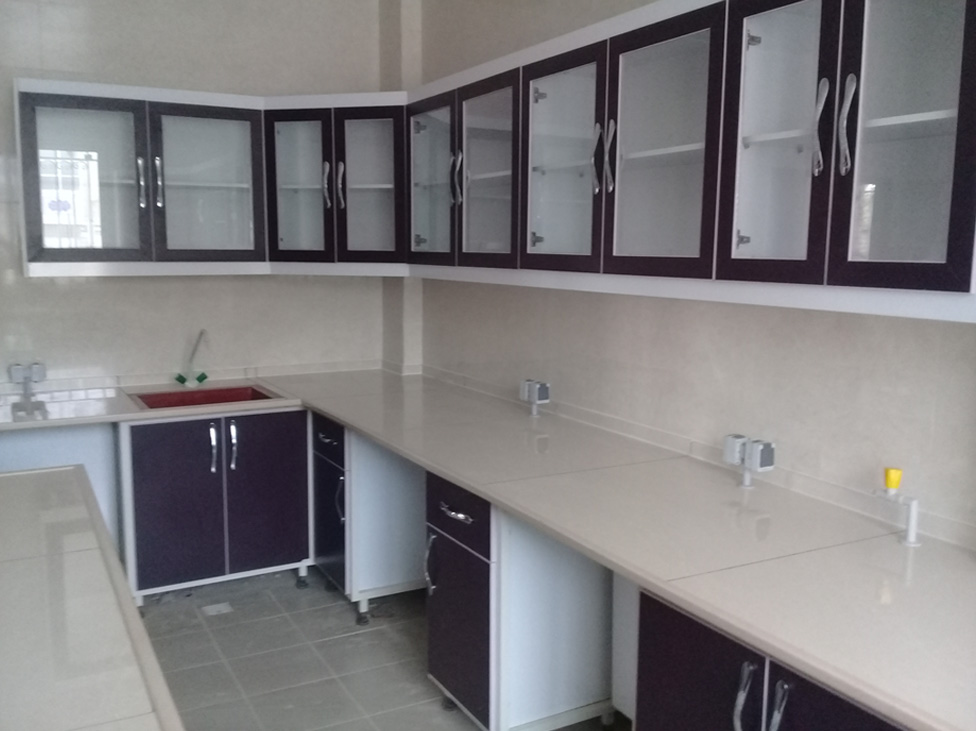
Purpose: Storage cabinets are essential for organizing and safely storing chemicals, reagents, and laboratory equipment.
Design and Function: These cabinets are designed to be fire and chemical resistant, ensuring the safe storage of hazardous materials. They are manufactured in a variety of sizes and configurations to optimize storage space and accessibility.
Applications: Storage cabinets are used in all types of laboratories to store chemicals and equipment in an organized and safe manner.
3. Chemical Hoods or Fume Hoods
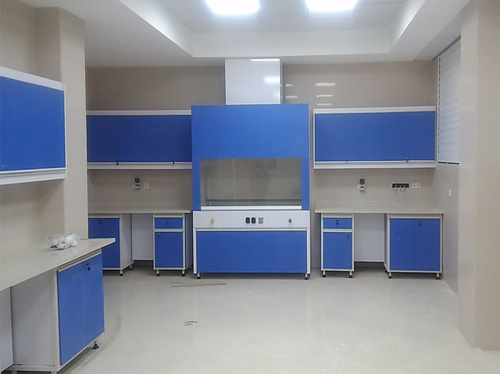
Purpose: Fume hoods are designed to protect laboratory personnel from breathing toxic fumes and gases produced during experiments.
Design and Function: Chemical hoods are equipped with ventilation systems that direct harmful gases outside the laboratory or work area. They are usually made of stainless steel and have adjustable sashes for easy access.
Applications: Chemical hoods are essential in chemistry, biology, and any other research facility where toxic or harmful chemicals or vapors are used.
4. Chairs and Stools
Purpose: Chairs and stools provide comfort and support to laboratory personnel during long working hours.
Design and Function: Laboratory stools are designed to be height-adjustable and often come with features such as swivel seats and footrests. They are made of durable materials that withstand the rigors of laboratory work.
Applications: Chairs and stools are used in all types of laboratories to ensure the comfort and health of laboratory personnel.
5. Mobile Scaffolding
Purpose: Mobile scaffolding allows for flexibility and easy configuration of laboratory space.
Design and Function: Mobile platforms, such as handcarts and trolleys, are equipped with wheels and locking mechanisms to ensure stability during movement. They are designed to be lightweight yet sturdy.
Applications: Mobile platforms are used in research and development laboratories that require frequent movement of equipment and setups.
Laboratory Scaffolding:
Laboratory scaffolding or benching is a vital part of any scientific research facility. It not only supports various equipment and experiments but also ensures the safety and efficiency of the laboratory environment. Below, we will explore the different types of laboratory furniture, their uses, benefits, and key points in choosing the right scaffolding and benching for your laboratory.
Key Points in Choosing Lab Shelving
Materials: Choose furniture that is made of durable, chemical-resistant materials to withstand lab conditions.
Load Capacity: Ensure that the shelving is capable of supporting the weight of the equipment and materials it will be storing.
Adjustability: Choose furniture with adjustable features for different heights and configurations.
Mobility: For labs that require frequent reconfiguration, choose furniture with wheels and locking mechanisms.
Safety Features: Look for furniture with safety features such as non-slip surfaces, sturdy locking mechanisms, and ergonomic designs.
Conclusion
Laboratory shelving is an integral part of any scientific research facility. By choosing the right furniture, laboratories can increase safety, efficiency, and comfort, ultimately contributing to the success of scientific experiments and research. Investing in high-quality laboratory shelving is important not only for its aesthetic appeal but also for creating a functional and safe environment for scientific discovery and research.