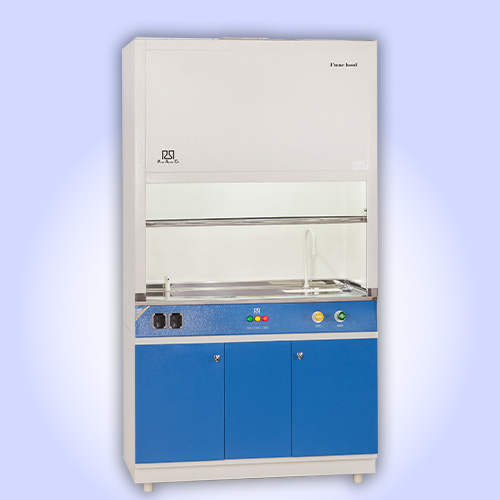
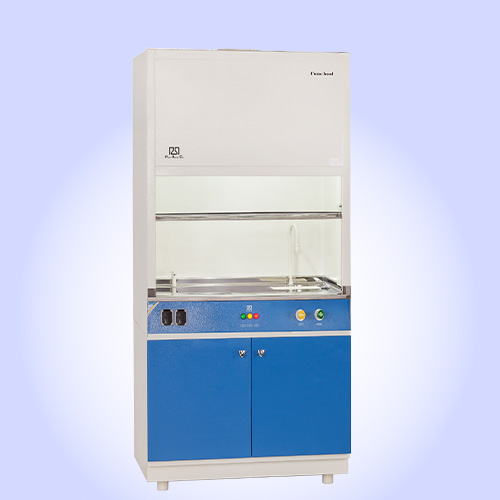
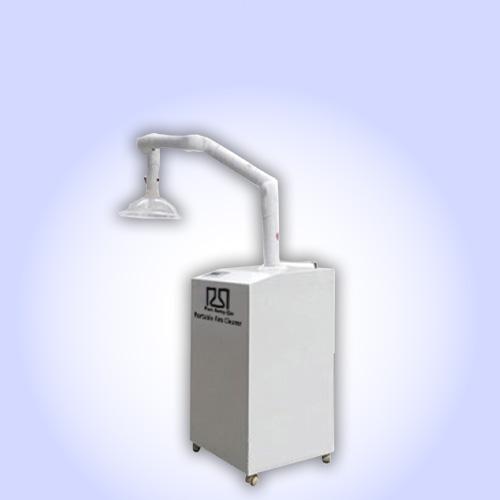
Metal Chemical Hood
Chemical Hood (Chemistry):
A chemical hood, also known as a fume hood, is an essential safety equipment used in laboratories, research centers, and industrial environments. It is designed to protect workers from harmful chemical vapors, toxic fumes, and contaminated air during experiments and processes involving hazardous chemicals.
What is a Chemical Hood (Chemistry)?
A chemical hood is a ventilated enclosure designed to capture and remove harmful fumes, gases, and dust generated during chemical processes. The system works by drawing in contaminated air from the workspace and expelling it safely outside the building, thus ensuring that harmful chemicals do not come into contact with the workers.
Key Features:
-
Body Material:
-
The body is typically made from stainless steel (304L or 316L) or steel sheets with electrostatic coating for enhanced durability.
-
It can also be made from MDF (Medium Density Fiberboard) or PVC, depending on the specific requirements.
-
Ventilation System:
-
Equipped with strong fans to ensure complete removal of contaminated air from the working area.
-
Optional HEPA filters and carbon filters can be used for air purification before expelling it outside (available upon request).
-
Safety Mechanisms:
-
Safety Glass Doors/Windows: Constructed from tempered safety glass or polycarbonate, which prevents any direct contact between the user and toxic chemicals.
-
Ventilation Failure Alarms: Built-in alarms to indicate any malfunction in the ventilation system.
-
Emergency Shutoff Switches for quick action during an emergency.
-
Ergonomic Design:
Advantages:
-
High Safety: Protects workers from inhaling toxic fumes and reduces the risk of chemical exposure.
-
Durability: The structure is highly resistant to corrosion and chemical damage, ensuring long-lasting use.
-
Wide Application: Suitable for various industries and applications, including work with acids, bases, and volatile organic compounds (VOCs).
Applications:
-
Chemical Laboratories: For safe handling of hazardous chemicals.
-
Pharmaceutical Industry: Used during the formulation and testing of drugs.
-
Research Institutions: Involved in various experimental processes with volatile substances.
Maintenance Tips:
-
Regularly check and replace filters to maintain optimal performance.
-
Keep interior surfaces clean to prevent the buildup of harmful chemicals.
-
Periodically inspect the ventilation system to ensure there are no blockages or malfunctions.
Conclusion:
Chemical hoods are crucial for maintaining a safe and controlled environment in laboratories and industrial settings. Their robust design, along with advanced safety features, makes them the go-to equipment for working with harmful and hazardous substances.